
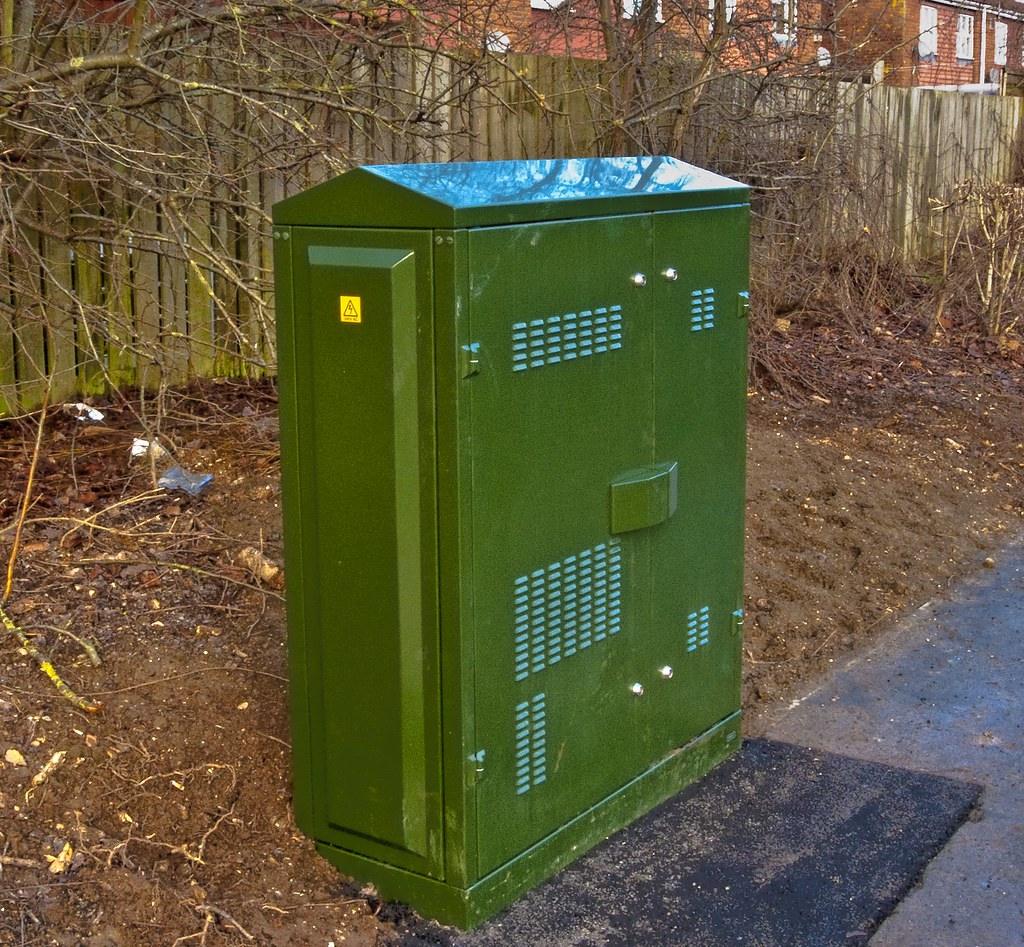
One of the most common questions we get: “Which fibre network is best?” The honest answer is that you usually don’t get to choose — the network that has built infrastructure in your street is the network you’ll use. What you do choose is your ISP, and that choice matters far more than most people realise.
How open-access fibre works
South Africa runs largely on an open-access model. Fibre Network Operators (FNOs) build and maintain the physical fibre in the ground, and Internet Service Providers (ISPs) sell services over that infrastructure. The FNO owns the pipe; the ISP delivers your internet, handles your support, and manages your account.
This is good for consumers: multiple ISPs compete on the same network, which keeps pricing honest and service levels up.
The major networks
Openserve — Telkom’s wholesale arm and the largest footprint in the country, covering suburbs, small towns and business districts that other operators haven’t reached. Wide range of speed tiers.
Vumatel — pioneered the suburban FTTH rollout and has a strong presence in residential areas across major metros, including affordable entry-level products in previously underserviced areas.
Frogfoot — strong in both residential and business precincts, known for solid symmetrical speed options that suit home offices and small businesses.
MetroFibre — significant coverage in estates, complexes and business parks, with competitive symmetrical packages.
There are also specialist and regional players — DFA in the enterprise space, LinkLayer and others in specific footprints — which is why checking coverage at your exact address matters more than brand recognition.
What differs between networks
- Speed tiers and symmetry — some networks offer symmetrical upload/download; others are asymmetrical at lower tiers.
- Installation lead times — these vary by network and by area workload.
- Wholesale pricing — which flows through to what you pay per Mbps.
- Repair turnaround — when a line gets damaged, the FNO fixes it; your ISP manages the process on your behalf.
Why your ISP choice matters more
Two customers on the same street, on the same fibre network, can have completely different experiences depending on their ISP. The ISP determines how well the network is peered and routed, how quickly faults are logged and escalated with the FNO, whether you can reach a human when something breaks, and whether you get honest advice about the right package instead of an upsell.
As an ISP operating across all the major networks, we can connect you on whichever FNO covers your premises — and if more than one is available, advise which will genuinely serve you better.
Want to know which networks cover your address? Use our coverage checker or contact us and we’ll do the legwork for you.